East Palo Alto Home Additions: Top Rated Home Addition Services
Reinvent Your Home: Fresh Ideas for Impressive Home Additions
Renovating a home through well-considered additions can significantly improve both its practical value and visual charm. From bright sunrooms designed to welcome sunlight to expansive decks perfect for entertaining, the choices are varied. Extending vital areas like kitchens promotes meaningful interaction, while a garage addition can address storage challenges. Understanding essential design elements and effective planning is vital. Yet, what genuinely motivates homeowners to pursue these improvements? The answer is found in the extraordinary influence of thoughtfully designed home additions.
Uncover Leading Home Addition Ideas to Upgrade Your Space
Many homeowners actively pursue unique approaches to upgrade their homes, and examining well-known home expansion options can deliver meaningful changes. A commonly preferred selection is the installation of a sunroom, which brings natural light indoors while creating a serene space for relaxation. A similarly desirable addition is a deck or patio, stretching the home's footprint outside and well-suited for social occasions.
Homeowners might also think about expanding their kitchens, rendering them more practical and welcoming. Adding a garage not only provides additional storage space but may also be used as a personal workshop or creative space.
For homeowners requiring extra sleeping spaces, a bedroom addition can offer essential privacy and comfort. Furthermore, transforming attics or basements into functional living areas offers a chance for innovative design while making the most of existing square footage. Every one of these approaches holds the promise of boosting both usability and aesthetic charm, ultimately converting a home into a more comfortable and enjoyable space.
Ways Home Additions Can Improve Your Lifestyle?
Home additions can considerably expand living space, offering families the opportunity to grow and adapt. Moreover, expanding a home can lead to increased property value, making it a sound investment. In addition, these expansions frequently strengthen family bonds by developing common areas for shared activities and gatherings.
Upgrade Living Space
Enlarging a residence through residential additions can considerably enhance one's daily life by delivering greater comfort and functionality. For families, new rooms can accommodate evolving needs, such as a dedicated play area for kids or a dedicated home office. A carefully planned addition can develop a smooth connection between indoor and outdoor spaces, fostering leisure and connection. Moreover, including elements like open floor plans or large windows encourages a sense of openness and connection with nature. Upgraded home spaces also support customized design decisions, expressing individual tastes and preferences. Ultimately, home additions not only improve current areas but also establish surroundings that support well-being and enrich daily life.
Improve Property Value
Putting money into home additions can greatly elevate a home's market worth, making it a wise financial decision. By expanding square footage or adding functional spaces, homeowners can attract potential buyers and boost selling prices. Features such as additional bedrooms, updated kitchens, or flexible living spaces regularly produce substantial returns. Additionally, improvements such as sunrooms or outdoor decks not only enhance visual appeal but also satisfy contemporary living aspirations, additionally increasing appeal. A well-planned addition can turn a residence into a more desirable asset, responding to today's market conditions and buyer interests. In summary, strategic home additions represent an effective strategy for maximizing property value while enhancing the overall living experience for current occupants.
Foster Family Connections
A carefully planned addition can significantly improve family bonds by creating spaces that encourage interaction and togetherness. Expansive layouts, such as family rooms or large kitchens, act as hubs for communal activities, nurturing communication and bonding. Dedicated areas for hobbies or playrooms provide children a place to engage, while adults can appreciate nearby social spaces. Moreover, incorporating outdoor living spaces, like patios or decks, permits families to gather in a relaxed environment. These enhancements not only promote everyday bonds but also provide a backdrop for lasting gatherings and celebrations. At their core, carefully considered home additions transform living environments into nurturing spaces that strengthen family ties, improving overall quality of life.
Essential Design Elements to Enhance Your Home Addition
When property owners think about a home addition, including fundamental design features can greatly boost both appearance and usability. Essential features encompass natural light, which can be attained with large windows or skylights, creating a bright and inviting space. Furthermore, an open floor plan encourages smooth transition between original and expanded sections, establishing an atmosphere of harmony.
Combining coordinating materials and tones confirms the new addition blends seamlessly with the existing structure, sustaining design consistency. Deliberate positioning of furniture and installations elevates functionality, creating a space suited for daily living. Connections to outdoor spaces, including a patio or deck, serve to enlarge living spaces and inspire outdoor engagement. Finally, energy-efficient designs, including proper insulation and sustainable materials, support lasting savings and ecological mindfulness. By focusing on these essential design elements, homeowners may establish a seamless and appealing addition that transforms their living experience.
Effectively Plan Your Home Addition Project
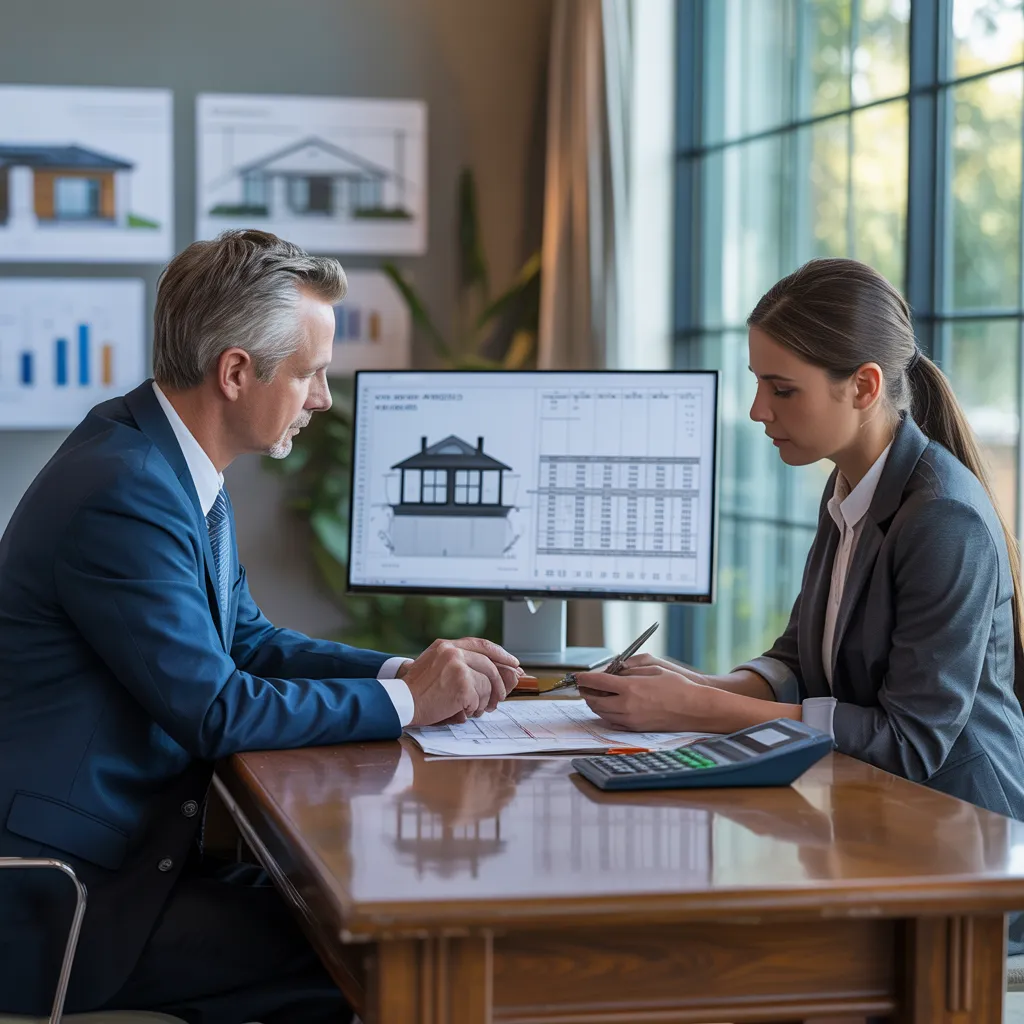
Careful planning is critical for a well-executed home addition undertaking. Homeowners ought to start by establishing their objectives, whether it's creating more living space, improving usability, or increasing property value. Establishing a clear vision assists in directing the construction and design journey. Furthermore, investigating local building codes and zoning regulations is essential to secure conformity and sidestep potential obstacles.
Building a plan that outlines each step of the process assists in ensuring focus and commitment. Homebuilders may also want to consider working with experts, such as architects or contractors, to gain expert recommendations and keep the project on track.
Furthermore, focusing on collaborative communication among all parties fosters collaboration and addresses issues as they arise. To conclude, anticipating future requirements can aid in designing an addition that remains functional over time. Through implementing these strategies, homeowners gain the tools needed to handle their home addition projects more effectively and decisively.
Budgeting for Your Home Addition: Essential Tips
Budgeting for a home addition demands thorough planning and careful thought to prevent unforeseen costs. Property owners should start by identifying a realistic budget that includes all components of the project, such as permits, building materials, labor costs, and contingency expenses. It is wise to reserve a further 10-20% of the entire budget for unexpected circumstances.
Reviewing and contrasting prices from different contractors may yield important knowledge and support better decision-making. Additionally, property owners should weigh their necessities against their preferences, guaranteeing that key components are incorporated while staying within their budget.
Developing a comprehensive timeline can aid in aligning costs with project phases, alleviating financial strain. Finally, consulting with a financial expert or a contractor can provide further clarity on likely costs and payment alternatives, guaranteeing that the spending stays on track throughout the residential addition endeavor. This strategic approach contributes to a prosperous and fiscally responsible property enlargement.
Real-Life Home Addition Transformations to Inspire You
Remarkable home addition makeovers reveal the remarkable possibilities of residential spaces. One standout case is a humble single-story home that was subject to a significant upgrade click here with a contemporary, stylish annex. By introducing a roomy kitchen and dining area, the homeowners improved their culinary experience while establishing a inviting communal area for relatives and companions.
A remarkable transformation highlights a tiny home that extended skyward with a charming loft, making the most of the space by incorporating a snug reading area. This ingenious approach not only added functionality but also brought personality to the space.
Ultimately, a traditional ranch house embraced a current design with a glass-walled sunroom, bathing the interior in warm natural light and revealing spectacular sights of the backyard garden.
These real-life transformations illustrate the numerous opportunities for residential additions, motivating homeowners to consider their own personalized improvements and reimagine their home surroundings.
Commonly Asked Questions
What Permits Do I Need for a Home Addition Project?
For a home addition project, it is typically necessary to obtain a construction permit, zoning approval, and in some cases electrical or plumbing permits. Municipal regulations differ, so speaking with local authorities is essential to confirm full compliance with applicable regulations.
How Much Time Does a Standard Home Addition Usually Take?
A standard home addition usually takes two to six months to be completed, based on factors including permits, size, complexity, and weather conditions. Thorough planning and an efficient contractor can greatly affect the overall timeline.
Can I Continue Living in My Home Throughout the Addition Process?
Absolutely, homeowners can often reside in their homes during the home addition process. However, aspects like the scope of the project, location, and sound levels may affect comfort and accessibility, requiring temporary arrangements or modifications during the building process.
What Common Mistakes Should You Avoid When Planning an Addition
Frequent errors to watch out for when designing a home addition include misjudging the overall budget, neglecting permits, failing to address structural concerns, neglecting to evaluate future demands, and not consulting professionals. Diligent preparation leads to more efficient execution and improved results.
How Do I Choose the Right Contractor for My Project?
To identify the best specialist, you should research qualifications, verify recommendations, and guarantee open communication. Comparing multiple bids and examining prior experience can aid in establishing dependability and suitability for the individual residential expansion project.